


There's a sound every parent knows.
It comes from the back seat, usually when you're already running late. A slow, guilty "uh oh."
I once heard a comedian describe it on the radio. His son, pulling up to school, realized he'd forgotten something. Before the punchline landed, I already knew the answer. Seventeen years ago, my barefoot son made the same announcement from the back seat as we pulled up to his school.
I turned around. Drove home. Got the shoes. Signed him in late. Gave him a squeeze he pretended not to want. Smiled the whole way back to a meeting I'd kept waiting.
You don't think twice. You just go.
Here's what's interesting about that story. He told me something was wrong. Not with words. With an uh oh. And I listened.
Your body does this all the time.
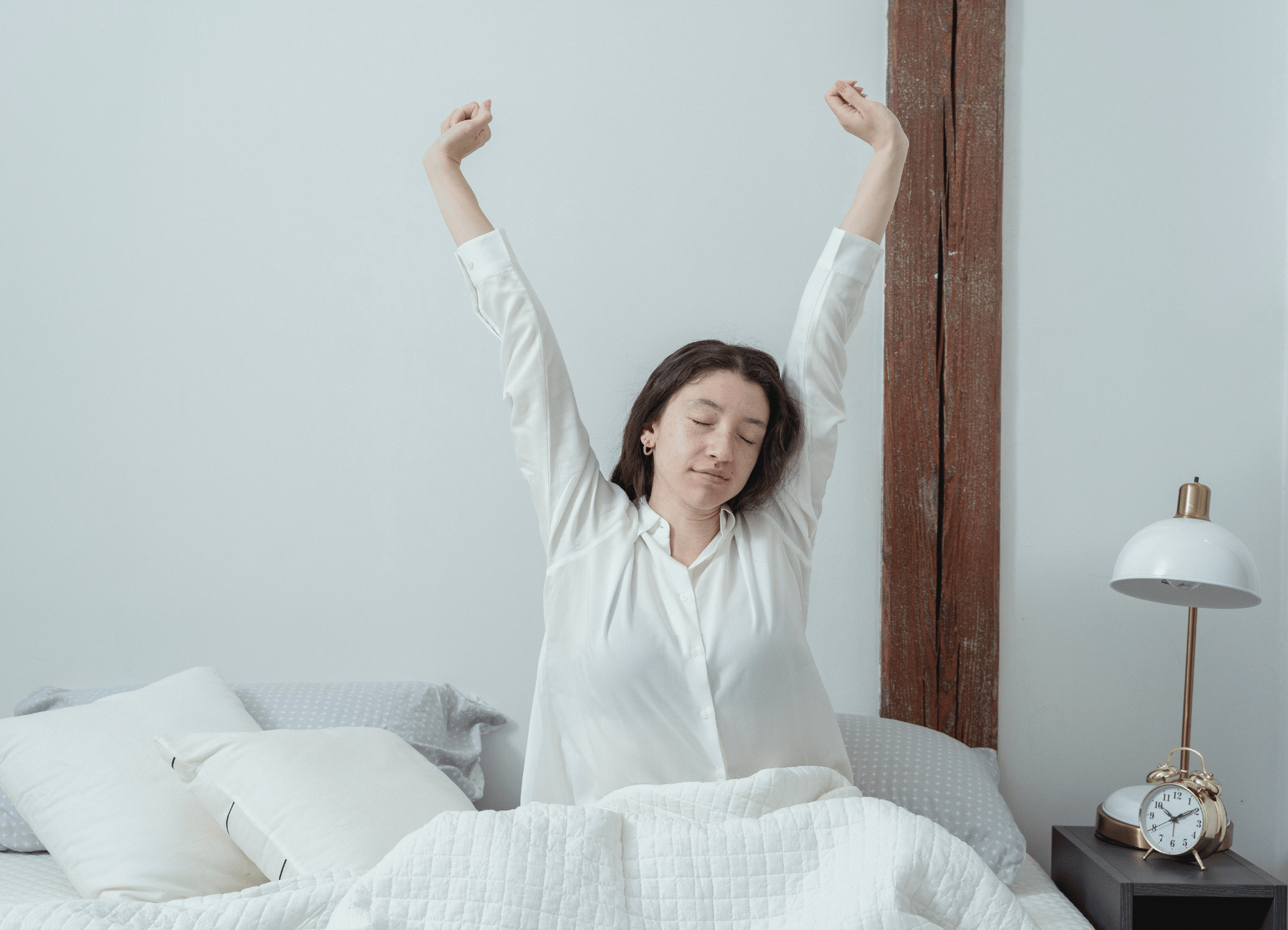
The stiffness when you first sit up in the morning. That crick in your neck that shows up around Tuesday and lasts through Friday. The way you shift positions three times before you finally fall asleep. These aren't random. They're the backseat shout-out. Your body is telling you something, and most of us have gotten very good at turning up the radio.
The hours you spend asleep are the only hours your spine gets to recover from the hours you're awake. Every compressed disc, every tight shoulder, every hour hunched over a screen. Sleep is when the body is supposed to process all of it. But if the surface you're sleeping on isn't supporting your alignment, your muscles stay slightly engaged all night. Braced. Holding. Waiting.
That's not rest. That's just lying down with the problem.
Here are a few things worth noticing tonight.
These aren't fixes. They're just questions to ask yourself once you're settled in.
When you lie on your side, do your hips sink deeper than your shoulders, or the other way around? Your spine is happiest when it stays level. If one is dropping more than the other, your muscles are compensating quietly all night long.
Where does the pressure land? If you feel it sharply at your hip or shoulder rather than distributed across them, your body is absorbing a load it shouldn't have to.
Do you wake up in the same position you fell asleep in? Healthy sleep involves natural movement. If you wake exactly as you started, or find yourself rigid on one side, your body may have been working harder than it was resting.
Do you flip your pillow in the middle of the night, or wake with your neck stiff and your shoulder sore? For side sleepers, a pillow that seems comfortable can actually be too low to keep your neck level with your spine, which means your shoulder ends up carrying the weight all night. And if you're sleeping with two or three pillows because one never feels like enough, or with one arm tucked under your pillow, that's not a preference. That's your body improvising.

You're not supposed to know how to solve these things. That's not the point of noticing them. The point is that your body has been sending the message, and now you've heard it.
We do free sleep assessments at Relax The Back, and on Sleep Fit Saturdays, we set aside dedicated time for exactly this. We look at alignment, pressure points, and how your hips and shoulders are being supported. We put you in the right posture, and more often than not, the reaction is the same.
“Ohhh. I didn't know it could feel like that.”
That moment is the whole thing. And it doesn't cost anything to come find out.


